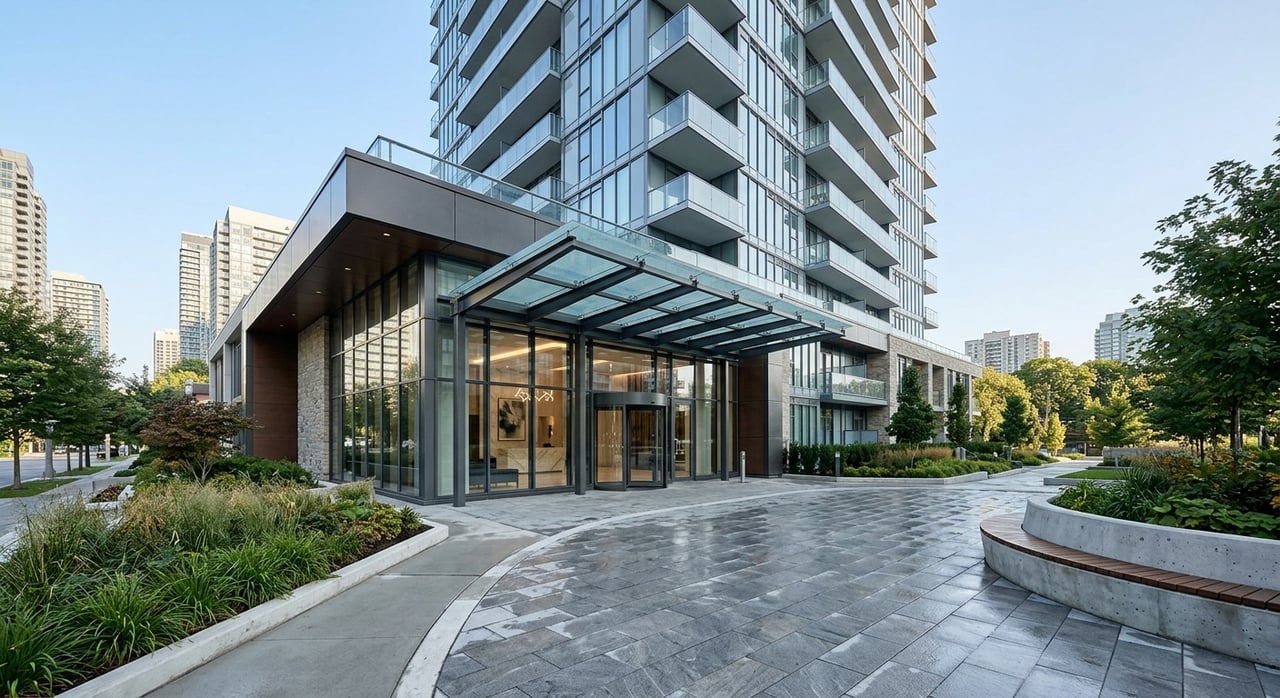
Buying in a Guttenberg high-rise can look simple at first glance: find a unit with the right view, like the layout, and make an offer. In reality, this is one of those markets where the building matters almost as much as the apartment. If you are considering a high-rise condo in Guttenberg, it helps to understand how parking, HOA finances, flood exposure, amenities, and building rules can shape both your day-to-day life and your long-term costs. Let’s dive in.
Why Guttenberg High-Rise Buying Is Different
Guttenberg is a uniquely compact market. The town covers just 0.19 square miles and had an estimated 11,945 residents in 2024, with very high population density based on Census geography data. That density helps explain why logistics that might feel minor elsewhere, like parking, moving access, and building operations, become major decision points here.
High-rise living is also deeply built into the town’s identity. Guttenberg’s zoning allows multifamily high-rise residential use along with accessory features like garages, pools, gyms, meeting rooms, storage, and even ground-floor retail or service uses in certain properties. In practical terms, you are not just buying a home in Guttenberg. You are often buying into a full building ecosystem.
The waterfront is part of the appeal too. The Hudson River Waterfront Walkway corridor offers public access and views of the Hudson River, the Statue of Liberty, Ellis Island, and the Manhattan skyline, and the joint Guttenberg-North Bergen Waterfront Park is one of the few green open spaces in town. For many buyers, that mix of convenience, vertical living, and riverfront setting is exactly the draw.
Focus on the Building, Not Just the Unit
When you buy in a high-rise, the unit is only one part of the purchase. The association’s finances, rules, staffing model, reserve planning, and maintenance practices can have just as much impact on your ownership experience. That is especially true in Guttenberg, where a small number of large buildings can define the market.
A well-known example is Galaxy Towers, which includes three towers above the Hudson River, an eleven-level indoor garage, a connected mall, and around-the-clock concierge, security, and maintenance-type services. Whether or not you are buying there, it is a useful example of how much building operations can influence lifestyle and cost in this market.
That is why a smart buyer looks beyond finishes and square footage. You want to know how the building is run, what the monthly charges actually cover, and whether the association appears prepared for future repairs and capital needs.
Understand HOA Documents and Financial Health
In New Jersey condominiums, the master deed and bylaws are the core governing documents. The master deed creates the condominium under state law, and the bylaws set out how the association operates, including meetings, collections, and rulemaking. Those documents can also authorize rules, fines, late fees, and certain closing-related charges.
That means your monthly common charge is only part of the financial picture. Depending on the governing documents, an association may also impose assessments or collect a capital contribution or similar transfer-related fee at closing. Under New Jersey law, when this type of resale charge is authorized, it is capped at nine times the most recent monthly common expense assessment.
This is why a higher HOA fee is not automatically a problem. In a full-service tower, that fee may support staff, security, maintenance, garage operations, pools, fitness areas, storage, and other shared services. The better question is not whether the fee is high or low, but whether it makes sense for what the building actually provides.
Key documents to request
Before you make an offer, ask to review:
- Master deed
- Bylaws
- House rules
- Current budget
- Most recent reserve study and funding plan
- Recent open-meeting minutes
- Any notice of special assessments
- Any notice of major repairs or major capital projects
New Jersey guidance gives unit owners a meaningful framework for access to association records. Associations must keep accounting records, including receipts, expenditures, and per-unit common expense accounts, and open-meeting minutes must be taken and made available to unit owners before the next open meeting.
Why the reserve study matters
The reserve study is one of the most important documents in your due diligence. New Jersey guidance says planned real estate development associations must undertake and fund a capital reserve study, and it must be reviewed by a licensed architect, engineer, or credentialed reserve specialist at least once every five years.
For you as a buyer, this study helps answer a simple but critical question: does the building appear to be planning responsibly for future repairs and replacements? If reserve funding looks thin, or if major work is coming without a clear funding plan, you may be more exposed to future special assessments.
Structural Inspections Deserve Extra Attention
If you are buying in an older high-rise, building condition should be part of your review. Under New Jersey guidance, covered buildings must undergo an initial structural inspection of the primary load-bearing system within 15 years of the certificate of occupancy, with later inspections required on an ongoing schedule depending on prior findings.
These reports are important because they can reveal whether a building is simply aging normally or facing larger structural issues that may affect costs and future work. If a building has had recent inspections, ask what work was recommended, what has already been completed, and what remains planned.
You do not need to assume every older tower has a problem. You do need to confirm that the building appears to be monitoring and addressing conditions in a disciplined way.
Parking in Guttenberg Is a Major Buying Question
In Guttenberg, parking should never be treated as an afterthought. The town has recognized a shortage of on-street parking spaces, and its residential permit system generally requires a valid permit from 11:00 p.m. to 7:00 a.m. Non-permitted vehicles typically get only a four-hour daytime grace period before towing exposure.
In short, street parking is not a dependable backup plan. If a listing says parking is available, that is only the start of the conversation.
Ask these parking questions
You will want to know:
- How many spaces come with the unit
- Whether the space is deeded, assigned, leased, or waitlisted
- Whether parking is included in the monthly charges or billed separately
- Whether guest parking is available
- Whether EV charging is available
- Whether garage access is convenient for your day-to-day use
Guttenberg’s zoning also shows how important off-street parking is in the local high-rise context. In the high-rise apartment section, the town requires one paved on-site parking space per dwelling unit. That does not mean every resale situation works the same way, but it does reinforce how central parking is to the ownership experience.
Amenities Can Change the True Cost of Ownership
One reason monthly carrying costs vary so much from building to building is the amenity package. A simpler condo may have lower common charges because it has fewer staff and fewer shared facilities. A full-service tower may cost more each month because it supports a much broader operating footprint.
In a building like Galaxy Towers, the amenity mix includes 24/7 concierge, housekeeping, security, on-site maintenance, pools, whirlpool spa, sauna and steam rooms, fitness center, courts, storage rooms, EV charging, activity rooms, and a connected mall with services. Whether those features fit your lifestyle is a personal decision, but they help explain why fees can look materially different from one building to another.
If you know you will use the gym, parking, storage, and staffed services regularly, a higher monthly fee may feel more reasonable. If you prefer a simpler ownership model, you may decide a lower-amenity building is a better fit. The key is matching the cost structure to how you actually live.
Views Carry Real Value, but Verify Them Carefully
In Guttenberg high-rises, views can play a major role in pricing. Waterfront buildings often market Hudson River and Manhattan skyline exposures as premium features, and for good reason. For many buyers, that view is part of the emotional and financial value of the purchase.
But view value is not standardized. A direct skyline exposure, a partial river view, and a view that may be interrupted by another building are not the same thing, even if listings describe them similarly.
How to evaluate a view
When you tour, try to:
- Stand in the exact unit or stack you are considering
- Visit at the time of day you are most likely to enjoy the space
- Check sightlines from living areas and bedrooms
- Confirm whether the exposure is direct, partial, or angled
- Ask whether nearby structures could affect the view over time
A strong view can absolutely justify a premium. You just want to make sure you are paying for the view the unit actually has, not the one suggested by broad building marketing.
Flood Risk Should Be on Your Checklist
Because Guttenberg sits along the Hudson River, flood risk should be reviewed carefully during your buying process. A New Jersey DCA environmental assessment tied to flood-control work noted that flooding in Guttenberg was amplified by the town’s proximity to the river, and that Hurricane Ida caused flooding throughout town, especially near River Road and Boulevard East, including at Galaxy Towers.
This does not mean you should avoid the market. It does mean you should ask practical questions about flood history, any flood-related repairs, and how the building has responded to past events.
NJDOBI also notes that buildings in FEMA high-risk flood zones with federally regulated or insured mortgages must maintain flood insurance, and premiums depend on factors like flood zone and structure elevation. If flood insurance applies to the building or affects ownership costs, you will want to understand that before you commit.
Your Guttenberg High-Rise Offer Checklist
Before making an offer, try to get clear answers to these questions:
- What does the monthly common charge cover?
- Is there a recent reserve study, and does it show a credible funding plan?
- Have there been any recent special assessments?
- Are major repairs or capital projects planned?
- What structural inspections have been completed, and what were the findings?
- What are the parking terms for this specific unit?
- What are the move-in, renovation, pet, smoking, and rental rules?
- Are there fines or other building charges authorized by the governing documents?
- Have there been flood-related issues or repairs in recent years?
- Does the exact unit have the view exposure being advertised?
A high-rise purchase in Guttenberg is rarely just about buying four walls. You are also buying into the building’s rules, financial discipline, maintenance approach, and everyday logistics. The more clearly you understand those pieces upfront, the more confident your decision can be.
If you are weighing a Guttenberg high-rise purchase and want a clear, building-specific strategy, Hudson Digs Realty can help you compare the details that matter before you buy.
FAQs
What should you review before buying a Guttenberg high-rise condo?
- You should review the master deed, bylaws, house rules, current budget, reserve study, recent meeting minutes, and any notices of special assessments or major repairs.
Why do HOA fees matter so much in Guttenberg high-rise buildings?
- HOA fees matter because they may cover staffing, maintenance, amenities, garage operations, reserve contributions, and other shared building costs that directly affect your monthly ownership expenses.
How important is parking when buying in a Guttenberg high-rise?
- Parking is very important because on-street parking is limited, overnight permits are generally required, and building parking terms can vary widely by unit.
What is a reserve study in a New Jersey condo building?
- A reserve study is a planning document that helps show whether an association is budgeting for future capital repairs and replacements, which can help buyers gauge the risk of future special assessments.
Should you check flood risk before buying in Guttenberg?
- Yes, flood risk should be part of your due diligence because Guttenberg’s proximity to the Hudson River has contributed to flooding, including during Hurricane Ida.
Do views affect condo value in Guttenberg high-rise buildings?
- Yes, river and skyline views can influence value, but buyers should verify the exact exposure from the specific unit rather than relying only on general building marketing.