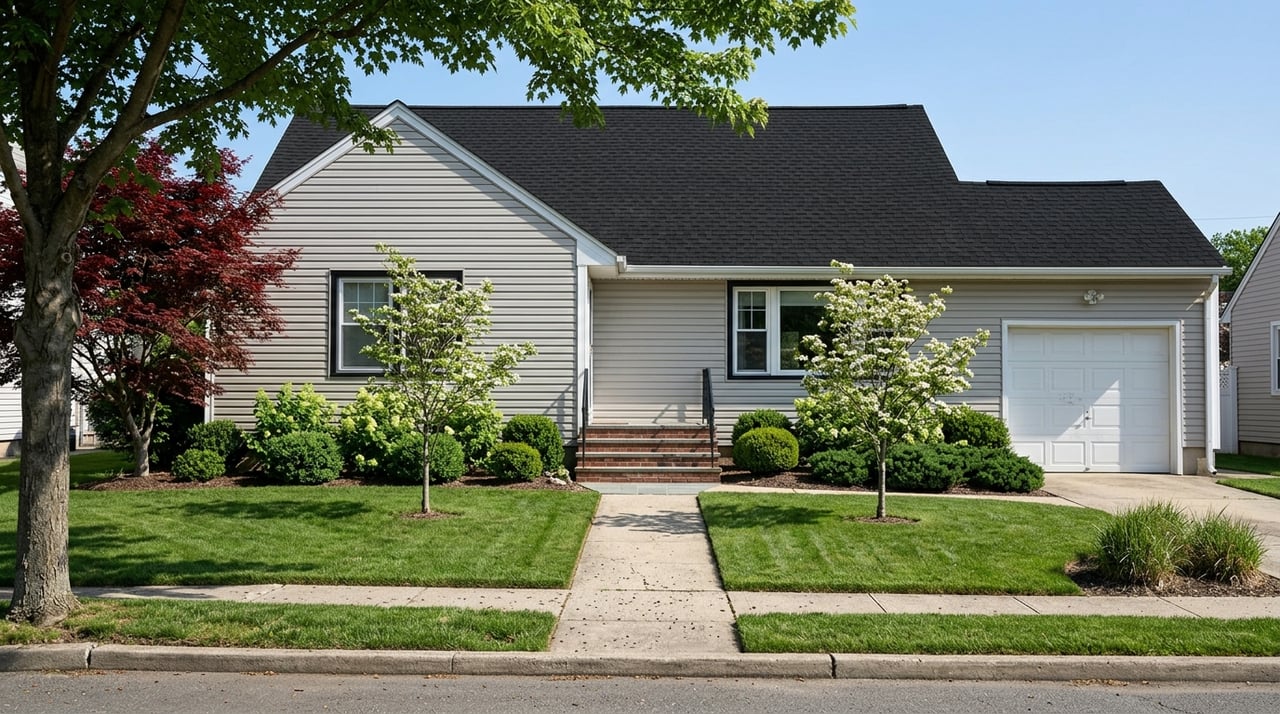
If your city condo no longer fits the way you live, you are not alone. Many buyers reach a point where extra square footage, a private yard, or a different daily rhythm starts to matter more than shared amenities and elevator access. If you are thinking about making the jump from condo living to a house in Paramus, this guide will help you understand the market, prepare your budget, and plan a smoother transition. Let’s dive in.
Why Paramus appeals to move-up buyers
Paramus offers a suburban housing stock that looks very different from what you are likely used to in a city condo. The borough has 26,137 residents and 8,692 households, with a median household income of $113,853 and a median age of 44.6, according to the latest market and demographic data in the research report.
For many move-up buyers, the appeal is simple: more space and more single-family options. In a market where detached homes are common, Paramus can offer a very different ownership experience from condo life, especially if you want more room to spread out or take on a property with long-term potential.
What the Paramus market looks like
Before you start touring homes, it helps to understand the price range and pace of the market. Recent sources place Paramus in a high-priced, relatively tight inventory environment, which means your move-up plan should be thoughtful and realistic.
According to Redfin's Paramus housing market data, the median sale price was $1,139,500 in February 2026, with 90 median days on market. Zillow's Paramus market page reported a typical home value of $1,012,734 and 45 homes for sale as of February 28, 2026, while Realtor.com's Paramus overview showed a $1,500,000 median listing price and 39 properties for sale.
Taken together, these numbers point to a market where inventory is limited and prices are elevated. You should not assume that buying in Paramus will be quick or effortless, especially if you are selling a condo at the same time.
Which homes you are likely to see
One of the biggest adjustments in a move from condo to house is the type of housing stock available. Paramus zoning includes several one-family residential districts, including R-50, R-75, R-100, and R-150, plus a two-family district called R-2F.
In practical terms, that means you are likely to see older detached homes in established neighborhoods rather than condo-style inventory. Representative listings in the research report show common home styles such as Colonial, Split Level, Ranch, and Colonial/Expanded Ranch.
Common home styles in Paramus
Here are a few examples cited in the research:
- Colonial at 428 E Ridgewood Ave
- Split Level at 214 Wilsey Ct
- Ranch at 179 Clayton Ter
- Colonial/Expanded Ranch at 211 Denver Rd
Several of these examples date back to the 1950s. That matters because an older house may offer charm and lot size, but it can also come with more maintenance, renovation planning, and systems review than a newer condo building.
Budgeting beyond the purchase price
This is where many move-up buyers need to recalibrate. Owning a house is not just a bigger version of owning a condo. Your monthly and annual costs can shift in ways that are easy to underestimate.
The Consumer Financial Protection Bureau says closing costs typically run 2% to 5% of the purchase price, excluding your down payment. On a seven-figure home, that is a meaningful amount to build into your plan.
Then there is ongoing upkeep. Fannie Mae's homeowner guidance recommends budgeting 1% to 4% of a home's value per year for maintenance and repairs. It specifically notes recurring costs like landscaping, leak repairs, painting, and refinishing floors.
If you are buying an older Paramus home, especially one built in the 1950s, it may be wise to budget toward the higher end of that range. A detached house often transfers more responsibility to you than a condo does, from exterior maintenance to site improvements and routine repairs.
House costs condo owners often overlook
When you move from a condo to a house, these expenses may become more visible or more frequent:
- Landscaping and yard upkeep
- Exterior repairs and painting
- Driveway, walkway, or patio maintenance
- Roof, gutters, and drainage work
- Heating, cooling, or generator upgrades
- Floor refinishing and interior repainting
- Leak detection and plumbing repairs
That does not mean a house is the wrong move. It just means your budget should reflect the full ownership picture, not only the mortgage payment.
Permits matter in Paramus
If you are considering updates after closing, permit rules deserve your attention. According to the Borough of Paramus construction information, construction permits are required for many types of projects, zoning review may apply, and unpermitted work can lead to fines or removal.
The borough also notes that site work permits may be required for projects such as patios, walkways, driveways, generators, air conditioners, pool equipment, and additions. If you are buying with plans to expand, renovate, or rework the exterior, it is smart to verify what is allowed before you close.
For move-up buyers, this is especially important when evaluating older homes with “potential.” A property may look like an easy value-add on first pass, but timing, permit requirements, and project costs can change the real picture.
Commuting from Paramus to the city
If you are leaving a city condo, commute logistics are likely still a major part of your decision. Paramus remains closely tied to regional transportation, but your day-to-day routine will probably feel different than it did in a walkable urban setting.
According to the New Jersey Department of Transportation, the Routes 4 and 17 interchange in Paramus is a major connector with access to Routes 208 and 46, I-287 and I-80, the Garden State Parkway, the New Jersey Turnpike, and George Washington Bridge gateways to New York City. NJDOT also notes that this area is among the state's more congested spots.
Bus options are part of the equation too. Current NJ TRANSIT stop data for Garden State Plaza show service on routes 163, 171, 175, 707, 709, 756, 758, and 770, with several of those routes showing New York service.
The takeaway is balanced: Paramus can work well for commuters, but you should plan around traffic realities and transit timing. It is less about whether a commute is possible and more about choosing a home and move timeline that fit your actual schedule.
How to time the condo-to-house transition
For many buyers, the hardest part of moving up is not finding the house. It is coordinating the sale of the condo with the purchase of the next home.
Because Paramus inventory is limited and recent data showed about 90 median days on market for sold homes, a same-day swap may be hard to pull off cleanly. Depending on your finances and flexibility, it may make sense to discuss a short overlap period, a storage plan, or even a temporary rental buffer while you bridge the two transactions.
A careful transition plan can lower stress and protect your negotiating position. It can also give you time to handle repairs, packing, and any immediate work needed at the new property before fully moving in.
A practical move-up roadmap
If you are starting this process, here is a useful sequence to follow:
- Understand your condo equity and sale timing. Know what funds may be available for your next purchase.
- Set a full house budget. Include down payment, closing costs, moving expenses, and maintenance reserves.
- Prioritize home style and condition. Decide whether you want turnkey space or a property with update potential.
- Review commute needs. Consider road access, bus options, and how much flexibility you need during the week.
- Plan for timing gaps. Build a backup plan in case your condo sale and house purchase do not align perfectly.
- Ask early about permits and improvements. If future work matters to you, verify requirements before you commit.
What move-up buyers should keep in mind
A move from a city condo to a Paramus home is not just a change of address. It is a shift in lifestyle, responsibilities, and cost structure.
The upside is clear: you may gain more space, more privacy, and access to a detached home in an established Bergen County market. But the best outcomes usually come from planning for the details, especially around budgeting, property condition, commuting, and transaction timing.
If you are weighing the jump and want a clear strategy for selling your current condo and buying your next home with confidence, Hudson Digs Realty can help you think through the process with a polished, consultative approach tailored to your goals.
FAQs
What is the typical home price range for move-up buyers in Paramus?
- Recent market sources in the research report place Paramus roughly in the $1.0 million to $1.5 million range, depending on whether you look at sale prices, typical values, or listing prices.
What types of homes are common in Paramus for buyers leaving a condo?
- Buyers are likely to encounter detached single-family homes such as Colonials, Split Levels, Ranches, and Expanded Ranch styles, including many older homes dating back to the 1950s.
What extra costs should condo owners expect when buying a house in Paramus?
- In addition to the purchase price, you should plan for closing costs of about 2% to 5%, plus annual maintenance that Fannie Mae estimates at 1% to 4% of the home's value.
What should buyers know about renovation permits for Paramus homes?
- The Borough of Paramus says many projects require permits, zoning review may apply, and unpermitted work can result in fines or removal, so it is smart to verify requirements before planning upgrades.
What are the commute options from Paramus to New York City?
- Paramus has strong regional road access through the Routes 4 and 17 interchange, and NJ TRANSIT lists Garden State Plaza bus service on several routes, including options with New York service.
How should condo owners time a move from the city to a Paramus house?
- Because inventory is limited and homes may take time to move through the market, it is wise to consider a backup plan such as a short overlap, storage, or temporary rental during the transition.