Pricing Strategies That Work in Today’s Hudson River Waterfront Real Estate Market
 Pricing a waterfront property is rarely as simple as checking a neighborhood median or comparing square footage. Along the Hudson River, two homes only a few blocks apart can attract very different buyer interest because of floor level, views, parking, outdoor space, building quality, monthly fees, condition, and access to Manhattan. The strongest pricing strategy combines recent comparable sales, active competition, property-specific advantages, buyer demand, and the seller's financial goals. For owners evaluating waterfront homes for sale in Northern NJ, the goal is to establish a realistic market range and choose a list price that supports both visibility and net proceeds. At Hudson Digs Realty, we evaluate each property within its actual competitive set across Hudson County and the New Jersey Gold Coast.
What Is Driving Hudson River Waterfront Real Estate Pricing Today?

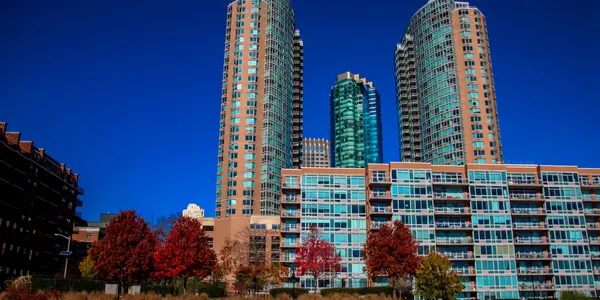
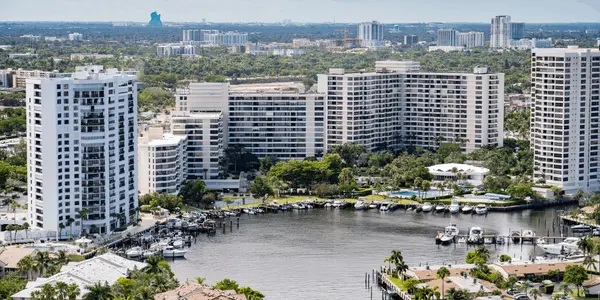
Local conditions shape Hudson River waterfront real estate more than a single countywide number. Hoboken, Jersey City, Weehawken, West New York, Edgewater, and nearby waterfront communities can perform differently because each has its own inventory, transportation options, building mix, and buyer demand. Recent sales matter, but buyers also compare a listing with what they can tour now. Several similar units in one building can create immediate competition, while limited inventory for a desirable layout or view may create more flexibility. Mortgage affordability, taxes, HOA fees, and buyer confidence also influence value. Experienced Northern New Jersey real estate agents should interpret these factors together instead of relying on a neighborhood median alone.
Start With the Right Comparable Sales
A comparative market analysis, or CMA, reviews relevant sold, pending, and active properties to estimate a realistic market range. The strongest analysis uses comparables that buyers would genuinely consider alternatives, not simply nearby sales.
Use Building-Level and Neighborhood-Level Comparables
- Start with recent sales in the same building whenever reliable examples are available.
- Compare layout, square footage, bedrooms, floor level, exposure, parking, outdoor space, and renovation quality.
- If same-building sales are limited, expand to nearby buildings with similar amenities and buyer profiles.
- Use closed sales for proven value and active or pending listings for current competition.
- Sellers searching listing agent near me should ask why each comparable was selected and how it relates to their property.
Use Price Per Square Foot Carefully
- Price per square foot is useful for comparison, but it should not become the entire pricing formula.
- Similar-sized units can differ because of floor, view, exposure, condition, and building position.
- Adjust for parking, terraces, balconies, storage, amenities, renovation quality, and monthly fees.
- Hudson River waterfront homes with open skyline views may command a different price from similar homes with obstructed exposure.
Which Features Create a Waterfront Property Premium?

Certain features can increase buyer willingness to pay, while others can narrow the practical price range. View, light, privacy, parking, outdoor space, and building quality should be considered early.
Features That Can Support a Higher Price
- Unobstructed Hudson River or Manhattan skyline views can create a meaningful advantage.
- Higher floors may add natural light, privacy, and separation from street activity.
- Balconies, terraces, and usable outdoor space can make a home more distinctive.
- Ferry, PATH, light rail, parks, waterfront walkways, restaurants, and Manhattan access can strengthen buyer interest.
- Buyers comparing luxury waterfront condos in Northern NJ often assess the unit, building, amenities, view, and monthly carrying costs together.
Factors That Can Limit Value
- High HOA or maintenance fees can reduce affordability.
- Dated interiors can weaken value when competing units are renovated.
- Obstructed views, limited parking, or poor storage can narrow the buyer pool.
- A waterfront realtor Northern NJ sellers work with should explain how these issues affect positioning without overstating them.
Choose the Right Listing Price Strategy
Estimated market value and list price are connected, but they are not always identical. Positioning should reflect demand, competition, timing, and how easily buyers can find a substitute.
Compare Three Practical Pricing Approaches
- Market-aligned pricing: Position the property close to the strongest comparable evidence. This works well when there are several recent and relevant sales.
- Competition-driving pricing: Enter at a level designed to attract broader attention when demand is strong and similar inventory is limited. It may increase activity, but it cannot guarantee multiple offers.
- Premium-test pricing: Consider a higher starting point for rare penthouses, exceptional renovations, large terraces, unique townhouses, or difficult-to-replace views. The premium still needs evidence.
- Sellers evaluating luxury waterfront condos in Northern NJ should be especially careful with premium-test pricing because upper-end buyers tend to compare details closely.
Consider Buyer Search Ranges
- Buyers often search within fixed online price brackets.
- Pricing slightly above a common threshold can reduce listing visibility.
- Review the buyer's likely total monthly cost, including mortgage, taxes, HOA fees, insurance, and parking.
- A listing agent in Bergen County, NJ may see this clearly in Edgewater, where similar asking prices can carry very different monthly costs.
Active Competition Can Change the Pricing Decision
Closed sales show where buyers previously agreed on value. Active listings show what buyers can choose from today. If several similar properties enter at once, pricing may need to become more competitive. Limited inventory for a desirable layout or view may support stronger positioning. Compare asking prices, reductions, days on market, concessions, condition, and similar units in the same building. Pending listings can also signal where demand is strongest. This is where Northern New Jersey real estate agents with local market experience can add value. Pricing should respond to new market evidence rather than remain fixed simply because the original number looked reasonable.
What the First 7 to 14 Days Can Tell Us About the Price

The first one to two weeks can reveal how qualified buyers see a listing. Read showing activity, feedback, repeat visits, online engagement, and offers together.
Read the Market Response
- Strong showing activity with no offers can suggest buyers like the property but question the value at the current price.
- Very low activity may indicate a problem with price, presentation, visibility, access, or positioning.
- Agent feedback may identify recurring concerns about condition, layout, view, fees, or price.
- Compare the listing's response with similar properties that go pending during the same period.
- Sellers who first searched for a listing agent near me should pay attention to how clearly the agent interprets feedback instead of merely reporting it.
Know When a Price Adjustment May Make Sense
- Avoid reducing the price only because a certain number of days has passed.
- Review showing activity, buyer feedback, new listings, and recent closings first.
- Check whether photography, staging, condition, showing access, or incomplete listing information is contributing to weak response.
- One meaningful adjustment may communicate more clearly than several small reductions.
- A waterfront realtor in Northern NJ should be able to explain the evidence behind any recommended change.
Pricing Strategy Should Match the Property Type
Different property types require different valuation methods. Condos often provide same-building evidence, while townhouses, single-family homes, and investment properties may have fewer direct substitutes.
Waterfront Condos
- Give the most weight to same-building comparables when reliable examples exist.
- Compare floor, line, exposure, views, square footage, condition, parking, and private outdoor space.
- Review HOA fees, reserves, amenities, management, and assessments.
- For luxury waterfront condos in Northern NJ, small differences in view, terrace size, or building position can materially change buyer perception.
Townhouses and Single-Family Homes
- Consider lot size, architecture, renovations, outdoor space, parking, and street location.
- Account for rarity because fewer direct comparables can create a wider value range.
- Hudson River waterfront homes in this category may support a scarcity premium when buyers have few alternatives.
- Test that premium against active demand rather than assuming rarity automatically creates value.
Investment and Multi-Family Properties
- Review rental income, operating expenses, occupancy, and lease terms.
- Consider the quality and stability of the income stream.
- Evaluate investor return expectations alongside comparable-sale evidence.
Focus on Seller Net Proceeds, Not Only the Sale Price
The highest headline offer is not automatically the strongest financial result. Sellers should estimate what they may receive after commissions, legal costs, mortgage payoff, association charges, seller credits, transfer-related costs, and other closing expenses. Financing strength, contingencies, inspection expectations, and closing timeline can change an offer's practical value.
A useful framework is
Expected Sale Price → Estimated Selling Costs → Mortgage Payoff → Approximate Seller Net.
For owners reviewing waterfront homes for sale in Northern NJ, setting a target net before listing can make negotiations clearer. A listing agent in Bergen County, NJ can also help an Edgewater seller compare offers that look similar on price but differ in credits, contingencies, or timing.
How Hudson Digs Realty Helps Price and Position Waterfront Homes

At Hudson Digs Realty, we use a customized comparative market analysis rather than treating an automated estimate as the final answer. We evaluate recent sales, active inventory, building-level trends, property condition, views, amenities, parking, fees, and buyer activity before recommending a pricing range. Our New Jersey Gold Coast experience helps us compare West New York, Weehawken, Hoboken, Jersey City, Edgewater, and nearby communities. We also support preparation, marketing, showings, negotiation, contracts, and closing. Sellers evaluating Northern New Jersey real estate agents should ask how an agent adjusts a CMA for floor, view, condition, monthly fees, and current competition. If your search begins with waterfront realtor Northern NJ, choose an advisor who can explain both the evidence and the strategy behind the recommended number.
Conclusion
Accurate waterfront pricing depends on relevant comparables, property-specific advantages, active competition, early buyer response, affordability, and seller net proceeds. Local, building-level knowledge matters because broad neighborhood averages can hide the differences buyers care about most. The same principles apply across Hudson River waterfront homes, from condos to rarer townhouses and single-family properties. For sellers considering waterfront homes for sale in Northern NJ, a property-specific valuation provides a stronger starting point than a broad regional estimate. Searching for a listing agent near me or a listing agent in Bergen County, NJ can produce many options. The better next step is to choose an advisor who can show you exactly how they built the recommended price. If you are preparing to list waterfront homes for sale in Northern NJ, Hudson Digs Realty can prepare a personalized comparative market analysis and discuss a pricing strategy based on your property, competition, timing, and goals. A careful valuation can help waterfront homes for sale in Northern NJ enter the market with clearer positioning. Contact us today to request a personalized property valuation and discuss the right pricing strategy for your Hudson River waterfront property
Categories
Recent Posts








GET MORE INFORMATION