Wondering what it’s really like to live on the Palisades in Cliffside Park? If you are considering a move here, you are probably looking for that balance of skyline access, daily convenience, and a neighborhood feel that works for real life. This guide will help you understand how Cliffside Park functions day to day, from housing and commuting to dining and what sets it apart from nearby Gold Coast towns. Let’s dive in.
Cliffside Park at a glance
Cliffside Park is a compact Bergen County borough set on the Hudson Palisades. The borough covers just 0.96 square miles of land area and had 26,183 residents as of July 2024, which makes it one of the denser communities in the region at 26,875.5 people per square mile, according to the U.S. Census QuickFacts.
That density shapes how the borough feels. Instead of spreading outward like a large suburb, Cliffside Park packs homes, local businesses, and transit corridors into a smaller footprint. For many buyers, renters, and investors, that creates a practical mix of accessibility and neighborhood energy.
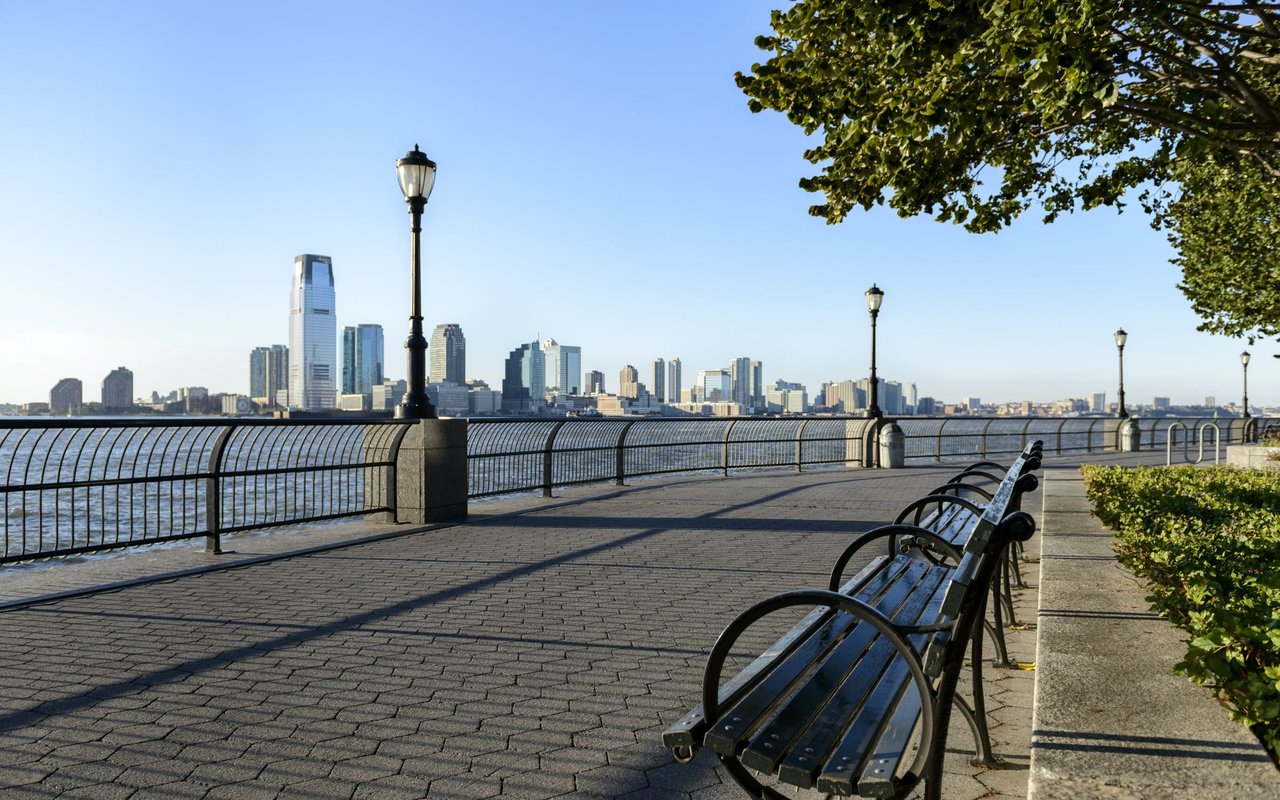
The setting is a major part of the appeal. The Palisades Scenic Byway runs along cliffs that NJDOT describes as roughly 12 miles long in New Jersey, with views of the Hudson River and the New York City skyline from both the top of the cliffs and Henry Hudson Drive below. In Cliffside Park, that cliff-top geography is not just scenic background. It is part of how the town is laid out and experienced.
What living on the Palisades feels like
Life in Cliffside Park tends to feel grounded and efficient. You are in a location known for elevation, river proximity, and skyline views, but the daily experience is more about getting where you need to go, running errands along corridor streets, and having a range of housing options close together.
The borough’s zoning map helps explain that character. It includes residential districts from R-1 through R-5, along with commercial districts and overlays such as the Palisades Ave Revitalization Overlay and Anderson Ave Revitalization Overlay. In simple terms, Cliffside Park reads as a mixed-housing community with activity concentrated along key streets rather than around one traditional downtown center.
That can be a strong fit if you want a place that feels connected to the broader Gold Coast market without being defined only by waterfront development. Cliffside Park offers a more residential and commuter-oriented rhythm, while still keeping you close to major regional destinations.
Housing in Cliffside Park
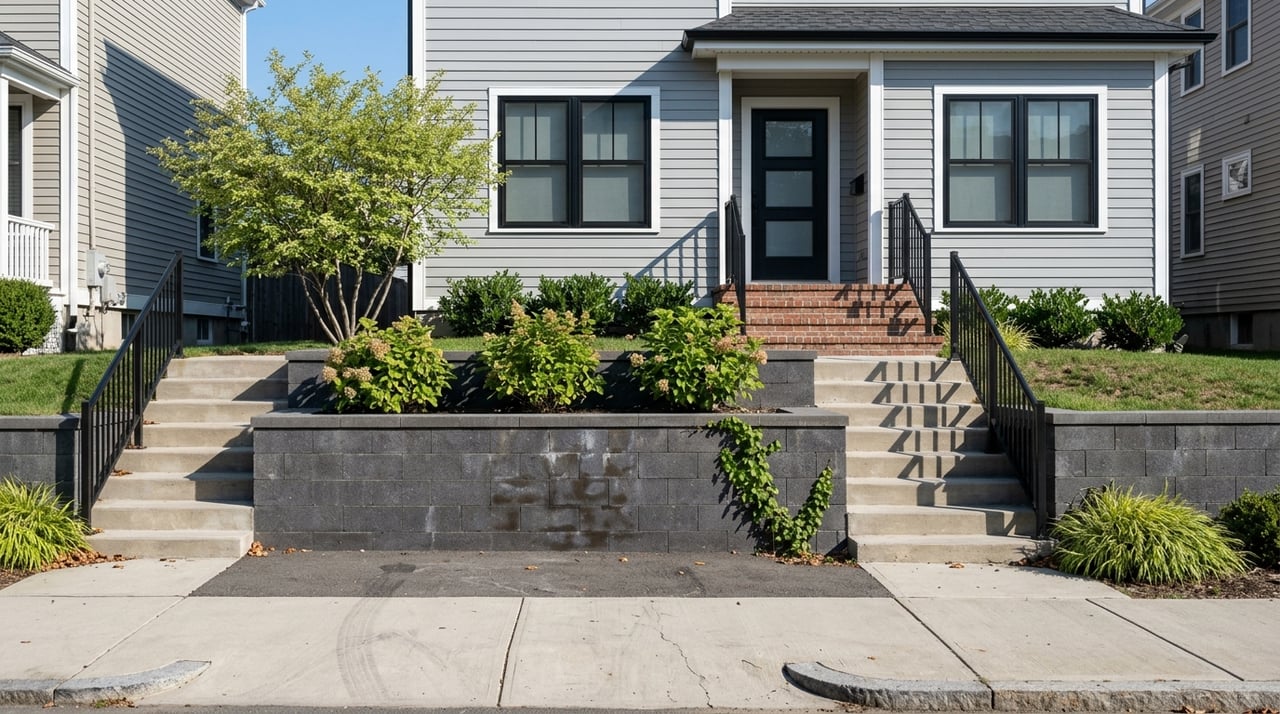
One of the biggest advantages of Cliffside Park is that it is not limited to one housing style. Based on the borough’s zoning pattern, you will find a patchwork of one-family homes, two-family homes, townhouses, mid-rise buildings, and high-rise buildings across the borough, especially near major corridors.
That variety matters because it gives buyers and renters more ways to enter the market. Whether you are looking for a condo with commuter convenience, a townhouse with more space, or a multi-family property with investment potential, Cliffside Park offers a broader mix than many places with a more uniform housing stock.
The latest Census data also gives useful context on the market:
- Median household income: $93,452
- Median gross rent: $1,783
- Owner-occupied housing rate: 51.4%
- Median owner-occupied home value: $588,200
- Mean commute time: 35.5 minutes
Those numbers suggest a market that is established, active, and relatively accessible compared with some nearby Gold Coast locations. For buyers and investors, that can make Cliffside Park worth a closer look if you want the region’s location benefits with lower housing costs than some neighboring towns.
Daily life and key corridors
Cliffside Park is not built around a classic town square. Instead, everyday life is organized around a few important streets, especially Anderson Avenue and Palisade Avenue, along with parts of Main Street and Gorge Road.
According to the borough’s zoning map, these corridors include redevelopment and revitalization overlays, which reinforces their role as the main strips for errands, services, and dining. For residents, that often means daily convenience is tied to accessible commercial pockets rather than a single concentrated downtown district.
This corridor-based layout can be appealing if you value practical access over destination-style retail. It supports the kind of routine many people want on the Gold Coast: pick up what you need, grab dinner nearby, and stay connected to transit without giving up a residential setting.
Dining and casual convenience
Dining is part of Cliffside Park’s everyday appeal, especially along the main corridors. The mix feels approachable and useful, with family-run restaurants, casual takeout, and later-night options that fit a busy schedule.
A few examples from the area include Saray Cuisine on Anderson Avenue, which serves Turkish breakfast, lunch, and dinner daily and hosts live Turkish music on Saturdays. The research also notes Mashed Burgers at 652 Anderson Avenue and Blackbeard Ramen at 607 Gorge Road, both of which add to the borough’s casual dining mix.
Taken together, these spots reflect something important about Cliffside Park. The food scene is woven into daily life, not separated from it, which adds to the borough’s convenience and neighborhood character.
Commuting from Cliffside Park
For many residents, Cliffside Park is a commuter town first and foremost. The borough’s location along the Palisades gives you close regional access, and bus service plays a central role in how people move in and out of town.
NJ Transit route 156 serves Cliffside Park stops including Palisade Avenue at Main Street and Palisade Avenue at Winston Drive and Winston Towers. The route continues to destinations including Port Authority Bus Terminal, Port Imperial Ferry Terminal, Lincoln Harbor, Edgewater, Fort Lee, and Englewood Cliffs.
Real-time NJ Transit MyBus listings also show route 159 tied to the Anderson Avenue corridor through nearby Fort Lee stops, which further supports the importance of Anderson Avenue as a transportation spine. If your day revolves around commuting into larger job centers or moving along the Gold Coast corridor, that transit structure is a major part of Cliffside Park’s value.
The borough’s mean commute time of 35.5 minutes also sits in a competitive range for the area. It is close to Fort Lee at 35.0 minutes and somewhat shorter than Edgewater at 38.1 minutes, based on Census comparisons.
Cliffside Park vs. Fort Lee and Edgewater
If you are comparing towns along this part of Northern New Jersey, it helps to think of Cliffside Park as sitting between Fort Lee and Edgewater in both feel and pricing.
Compared with Fort Lee, Cliffside Park is smaller in population but denser. It also shows lower median household income, lower median gross rent, and lower housing costs based on available Census figures. Fort Lee has a larger commercial base, so Cliffside Park often feels more residential and less retail-heavy by comparison.
Compared with Edgewater, Cliffside Park is also denser and less expensive by the numbers. Edgewater tends to be more associated with waterfront-oriented living, while Cliffside Park is more defined by its cliff-top setting, corridor convenience, and commuter practicality.
Here is a simple snapshot based on Census data:
| Town | Median Household Income | Median Gross Rent | Owner-Occupied Rate |
|---|---|---|---|
| Cliffside Park | $93,452 | $1,783 | 51.4% |
| Fort Lee | $107,274 | $2,270 | 55.4% |
| Edgewater | $124,050 | $2,579 | 39.8% |
For buyers and renters, that positioning can be compelling. Cliffside Park gives you access to the same general Gold Coast corridor while offering a different value equation and a more compact residential environment.
Who Cliffside Park may suit best
Cliffside Park can appeal to several types of movers, especially those who want access and flexibility. If you are commuting regularly, the borough’s bus-oriented setup and regional connections may stand out right away.
It can also make sense if you want housing variety. Because the borough includes multiple residential districts and building types, it may offer options for buyers looking at condos, townhouses, one- to two-family homes, or multi-family opportunities.
If you are relocating to the Gold Coast, Cliffside Park may be worth considering when you want to stay connected to Manhattan-facing markets without focusing only on waterfront inventory. And if you are an investor, the mixed-housing environment can be useful when evaluating value-add or multi-unit possibilities in a dense, established borough.
Key things to keep in mind
Before you move to Cliffside Park, it helps to understand the borough on its own terms. This is not a large town with a sprawling layout, and it is not trying to be a resort-style waterfront destination.
Instead, Cliffside Park offers a specific mix of strengths:
- A cliff-top location along the Hudson Palisades
- Access to skyline and river views in parts of the borough
- Mixed housing stock across multiple residential districts
- Corridor-based shopping, dining, and daily convenience
- Bus-oriented commuting with regional connections
- A compact footprint in the Bergen County section of the Gold Coast market
The borough also reflects a notably multicultural day-to-day environment. According to the U.S. Census, 45.7% of residents are foreign-born and 64.0% speak a language other than English at home, which adds to the diversity of everyday life, local businesses, and neighborhood routines.
Is Cliffside Park a good fit for you?
If you want a practical Gold Coast location with cliff-top character, varied housing, and solid commuter access, Cliffside Park deserves a serious look. It offers a distinct identity within the local market, shaped by its geography, density, and corridor-based convenience rather than by large-scale waterfront development or a major downtown core.
That difference is exactly why some buyers, renters, and investors find it appealing. You get a compact borough with real neighborhood function, regional connectivity, and a housing mix that can support different goals.
If you are exploring Cliffside Park or comparing it with nearby Bergen and Hudson County communities, working with a team that understands the nuances of the Gold Coast can make your search much more efficient. Connect with Hudson Digs Realty for expert guidance on buying, selling, renting, or investing along New Jersey’s Gold Coast.
FAQs
What is Cliffside Park, NJ known for?
- Cliffside Park is known for its location on the Hudson Palisades, its compact residential layout, mixed housing stock, corridor-based convenience, and access to Hudson River and New York City skyline views in parts of the borough.
How is commuting from Cliffside Park, NJ?
- Commuting from Cliffside Park is largely bus-oriented, with NJ Transit route 156 serving local stops and connecting riders to places such as Port Authority Bus Terminal, Port Imperial Ferry Terminal, Edgewater, Fort Lee, and Englewood Cliffs.
What types of homes are in Cliffside Park, NJ?
- Cliffside Park includes a mix of housing types suggested by its zoning map, including one-family homes, two-family homes, townhouses, mid-rise buildings, and high-rise buildings.
How does Cliffside Park compare with Fort Lee and Edgewater?
- Cliffside Park is generally denser and shows lower housing costs than both Fort Lee and Edgewater based on Census figures, while feeling more residential than Fort Lee and less waterfront-focused than Edgewater.
Is Cliffside Park, NJ a walkable daily-life town?
- Cliffside Park supports practical day-to-day convenience through key corridors like Anderson Avenue and Palisade Avenue, where errands, dining, and transit access are concentrated.