Thinking about buying a 2–6 unit building in Union City but not sure where to start? You are not alone. Many investors compare Union City to Hoboken and Jersey City and want a clear, numbers-first playbook. In this guide, you will get practical rent and expense ranges, a plain-English overview of rent stabilization, cap-rate context, and a due diligence checklist you can use on your first walkthrough. Let’s dive in.
Why Union City works for small multifamily
Union City is dense and renter-heavy, which supports steady demand for well-located apartments. Population density is among the highest in New Jersey, and a large share of households rent, with median household income below county averages. These factors matter when you stress-test rents and vacancy. See the city’s demographic profile on Census Reporter.
Transit is the core demand driver. Union City sits by major bus corridors into Manhattan, including services along the I‑495 approach and key avenues with frequent routes. That proximity boosts rent resilience near high-frequency lines, as reflected in the Hudson County bus network study.
On pricing, Hudson County multifamily has generally traded in the mid‑5% to roughly 6% cap-rate band for well-located assets in recent snapshots, with value-add deals higher. Union City properties near strong transit often price toward the tighter end of that county range. Review the Matthews Hudson County multifamily report for context.
What to buy and where to focus
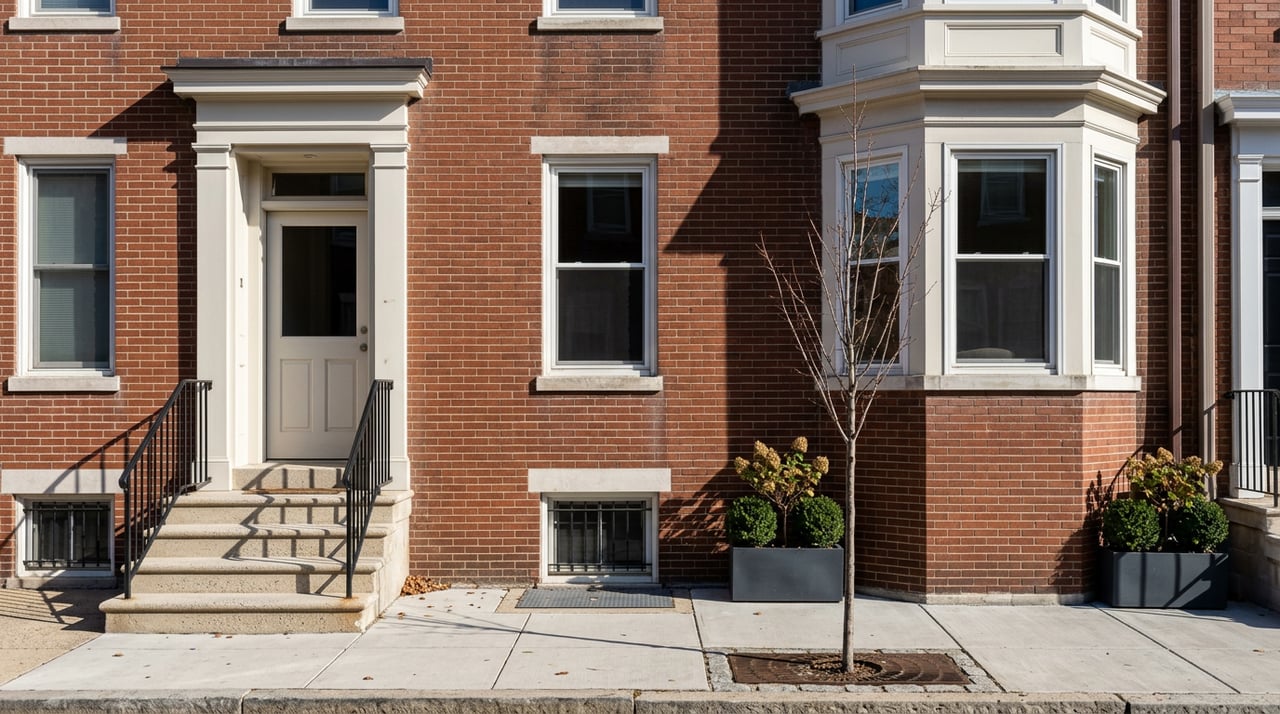
Most investor targets are small walk-ups: duplexes, triplexes, fourplexes, and up to six units. You will see many 1BR/1BA and 2BR/1BA layouts, with some 3-bedroom units. Expect compact footprints, shared or limited storage, and in some cases master-metered utilities.
Blocks near active bus corridors and retail spines tend to be rent-resilient. Corridors with frequent service and quick access to Route 495 and the Lincoln Tunnel often command stronger rents due to commute convenience. Mixed-use assets can perform well but add complexity around retail tenancy and code compliance.
Current rent context
Recent market-level listing snapshots suggest many Union City 1-bedrooms fall in the high‑$1,600s to $2,000s range, while 2-bedrooms commonly run about $2,400 to $2,850. Rents shift by block, unit condition, lease timing, and whether utilities are included. Build your rent roll from fresh, hyperlocal comps and confirm utility setups before finalizing any pro forma.
Rent stabilization essentials
Union City maintains a Rent Stabilization (Rent Leveling) ordinance that applies to most rental units, with specific exemptions for certain small, owner-occupied buildings. The ordinance sets permitted annual increases, requires landlord registration, and outlines processes for hardship applications and capital-improvement surcharges. Read the code and confirm coverage and registration status for any building you underwrite. Start with the city’s Rent Stabilization ordinance.
Key takeaways:
- Most units are covered unless a clear exemption applies.
- Annual increases are regulated and must follow city rules.
- Capital-improvement surcharges require an application, documentation, and board approval, and surcharges are not counted as base rent for annual increase calculations.
- Failure to register can affect your ability to raise rents.
Underwriting basics for Union City
Model income conservatively
- Rents: Use in-place rents, verify lease terms, and confirm any stabilization coverage per unit.
- Vacancy: In this transit-oriented market, a 4% to 7% vacancy and collection loss assumption is a common starting point for conservative underwriting. Review guidance like this vacancy modeling reference and tailor to the submarket and building class.
Model expenses with local nuance
- Property taxes: New Jersey property tax burdens are among the highest nationally, and Hudson County skews high within the state. Always pull the last 2–3 years of tax bills and appeals history rather than using a statewide average. See recent coverage of North Jersey tax trends in this overview of property tax bills.
- Insurance: Premiums vary by age, systems, claims, and flood exposure. If a parcel touches a FEMA flood zone, expect higher cost and lender requirements. Check the tax lot on the FEMA Flood Map Service Center.
- Utilities: Clarify master-metered setups vs. separately metered gas/electric and whether the landlord covers heat or hot water. Utility structure can swing net operating income materially.
- Maintenance and repairs: A common starting point is 3% to 6% of effective gross income for older small buildings, then adjust up for deferred maintenance.
- Capital expenditures: For roof, boiler, hot water systems, electrical, and plumbing, plan a reserve. Many investors use 5% to 10% of effective gross income for older stock.
- Property management: Third-party management for small multifamily in this region often runs about 6% to 12% of collected rents, with separate leasing fees. See context on fee structures in this management profitability overview.
- Legal and compliance: Budget for rent registry fees, rent board filings, certificates of occupancy, and attorney review, especially when pursuing capital-improvement surcharges. See the rent stabilization procedures.
Cap rates and valuation
Cap rate is a quick lens on value: cap rate = Net Operating Income divided by purchase price. It lets you compare similar properties and translate NOI to an implied value snapshot. For a refresher on fundamentals, review this cap rate primer. Then map to local conditions using the Hudson County cap-rate context.
Realistic value-add plays
- Interior upgrades: Focus on kitchen and bath refreshes, durable flooring, lighting, and paint during natural turnover. Follow registration and increase rules under rent stabilization.
- Utility efficiency: Where permitted, reduce owner-paid utilities through insulation, controls, and, if feasible, separate metering. Confirm code and capital costs up front.
- Amenity boosts: In-unit laundry (where allowed), secure storage, and any on-site parking improvements can support higher effective rent.
- Capital-improvement surcharge: Union City allows a surcharge route tied to specific improvements, amortized over useful life. You must apply, document code compliance, and follow board procedures. Surcharges are not base rent for future annual increases. Details are in the Rent Stabilization ordinance.
Due diligence checklist
Collect these items before you finalize price or financing assumptions:
- Current rent roll and 12–24 months of lease abstracts, noting any rent-stabilized units and base rents. See requirements in the city ordinance.
- Year-to-date P&L, 12 months of utility bills, and tax bills for the last 3 years, plus any open tax appeals. Review recent tax context via North Jersey tax trends.
- Certificate of occupancy, open permits, and any violations or complaints. Code status affects rent actions.
- Systems and structure: inspection report and ages/conditions of roof, boilers or HVAC, hot water systems, electrical, and plumbing.
- Rent stabilization registration proof with the city. Lack of registration can limit rent actions. See the registration requirements.
- Local 2–6 unit sales comps and the Matthews county report for pricing direction.
- Flood exposure check on the FEMA map for insurance and lender requirements.
A five-minute pro forma framework
- Step 1: Set current gross income from the rent roll; layer in market rent only where you have a clear, compliant path to capture it.
- Step 2: Apply vacancy and collection loss of 4% to 7% depending on location and building quality, then compute effective gross income.
- Step 3: Estimate operating expenses: taxes from actual bills, insurance from quotes, utilities based on meter setup, maintenance at 3% to 6% of EGI, and property management at 6% to 12%.
- Step 4: Add a CapEx reserve of 5% to 10% of EGI for older stock.
- Step 5: Derive NOI, compare to recent small-multifamily cap rates, and sanity-check price.
- Step 6: Run three scenarios. Widen vacancy and expense assumptions to see your downside case, and do not rely on unapproved rent surcharges.
How Union City compares nearby
Hudson County has seen a significant new-construction pipeline in its strongest transit nodes, which influences pricing power and cap rates for prime assets. Smaller, off-water buildings in Union City can still offer yield if rents lag or units are under-market, especially near reliable bus corridors. For county-wide context, review the Matthews multifamily state-of-the-market. Ground-floor dynamics can also be shaped by local programs such as Urban Enterprise Zone areas; see the city overview for Union City’s local context.
Final thoughts
Union City rewards disciplined underwriting, clean operations, and respect for rent stabilization rules. If you anchor your model in actual tax and insurance numbers, confirm registration status, and focus on transit-proximate blocks, you can find durable income with targeted value-add upside. When you are ready to run numbers on a specific property, we can help you collect the right documents, benchmark rents, and model a clear plan.
If you want a second set of eyes on a deal or need local comps for 2–6 unit buildings, connect with the team at Hudson Digs Realty for investor-focused guidance.
FAQs
What is Union City rent stabilization and how does it affect rent increases?
- Union City’s ordinance regulates annual rent increases for most units, requires landlord registration, and outlines hardship and capital-improvement processes that shape how and when you can raise rents. See the ordinance details.
What cap rates should I expect for small multifamily in Union City?
- Recent Hudson County reporting shows well-located assets often trade in the mid‑5% to roughly 6% range, with value‑add assets higher; Union City near strong transit can price toward the tighter end. Review the county cap-rate context.
How should I estimate property taxes for a 2–4 family building?
- Use the actual tax bills from the past 2–3 years and note any appeals. New Jersey and Hudson County carry high average tax burdens, so avoid generic statewide rates. See North Jersey tax trends.
How much vacancy should I underwrite in Union City?
- A 4% to 7% vacancy and collection loss range is a prudent starting point for transit-oriented neighborhoods, then adjust based on building quality and leasing velocity. See this vacancy modeling reference.
Do I need flood insurance in Union City?
- It depends on the parcel. Check the tax lot on the FEMA Flood Map Service Center. If it is in a flood zone, expect insurance and lender requirements to reflect that risk.
Which value-add projects are realistic under rent stabilization?
- Interior refreshes during natural turnover, utility efficiency upgrades, and permitted amenities can help. Capital-improvement surcharges are possible with an application and approvals but are not guaranteed. See the ordinance process.