Staring at the Hudson every day or stretching out next to a big park. That is often the real fork in the road when you compare condo life in North Bergen and West New York. You want convenience, a smooth commute, and a building that fits your lifestyle and budget. In this guide, you will see how these neighboring towns stack up on waterfront access, building styles, amenities, prices, transit, walkability, parks, and practical costs so you can choose with confidence. Let’s dive in.
Quick snapshot: how they differ
West New York concentrates much of its condo living along Port Imperial and the Boulevard East cliffline. You will find frequent ferry access, a very walkable waterfront, and many amenity-rich buildings. These areas are often marketed at a premium for skyline views and quick trips to Midtown.
North Bergen spreads across more varied terrain. Boulevard East continues through town, but there are also inland neighborhoods with mid-rise and older buildings. You gain access to larger green space at James J. Braddock Park and a wider range of price points and building styles.
For many buyers, the decision comes down to tradeoffs. If you want direct ferry access and resort-style amenities, West New York’s waterfront tends to win. If you value more space, broader pricing, and big parks, North Bergen is worth a close look.
Geography and waterfront access
West New York: Port Imperial vs Boulevard East
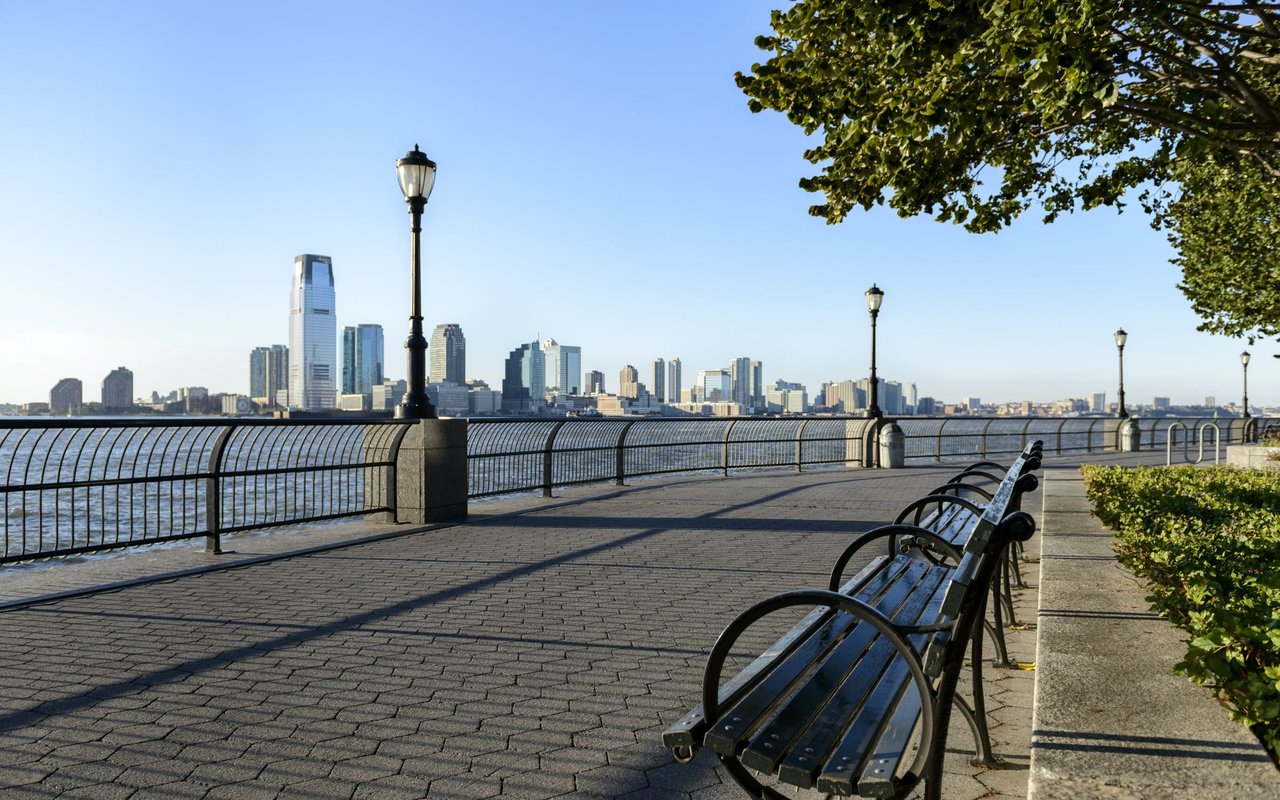
Port Imperial and the River Road corridor are the waterfront heart of West New York. Port Imperial is a walkable, intermodal hub with regular NY Waterway ferry service to Midtown and Downtown. The vibe is modern, with a wide promenade, retail, and connected transit options.
Up the cliff, Boulevard East delivers sweeping skyline views from an elevated ridge known as the Palisades. These blocks are distinct from the river-level waterfront. The ridge is not flood-prone, while riverfront parcels can sit in FEMA AE flood zones. When you compare listings, note if a unit is at river level or on the cliff, because that can affect flood exposure and insurance needs. For context on the ridge and its history, see the overview of Boulevard East.
North Bergen: cliffside and inland variety
Boulevard East continues into North Bergen, where you find a mix of waterfront towers, cliffside high-rises, and inland mid-rise or older buildings. The residential fabric is more varied across neighborhoods like Woodcliff, New Durham, and Racetrack. That variety often means more options at different price points and finishes.
North Bergen also offers larger interior green space at James J. Braddock Park. If you plan to balance condo living with ready access to fields, trails, and lakes, this can be a meaningful advantage.
A quick flood note
Many river-level parcels along Port Imperial are within FEMA AE flood zones, while the Boulevard East cliffline is generally at higher elevation. Always verify a specific address on parcel or FEMA maps, and ask for any flood elevation certificates before you buy. You can use county parcel viewers that aggregate FEMA layers, such as NJParcels, to start your research.
Condo buildings and amenities
West New York waterfront: amenity-forward living
Along Port Imperial and River Road, you will see large, newer complexes with concierge service, fitness centers, indoor or outdoor pools, rooftop decks, and on-site retail. Many buildings run shuttles or are a short walk to the Port Imperial ferry and Hudson-Bergen Light Rail. This is where lifestyle and convenience take center stage, and monthly HOA fees often reflect that level of service.
Boulevard East towers: classic high-rises
Just uphill on Boulevard East, West New York also has older pre-war and mid-century high-rises, some with doormen and assigned parking where available. Amenities can be more modest than the waterfront towers. What you gain are direct skyline views from the ridge, quick access to parks like Donnelly Memorial Park, and a different price-to-space balance than brand-new riverfront product.
North Bergen mix: from towers to garden-style
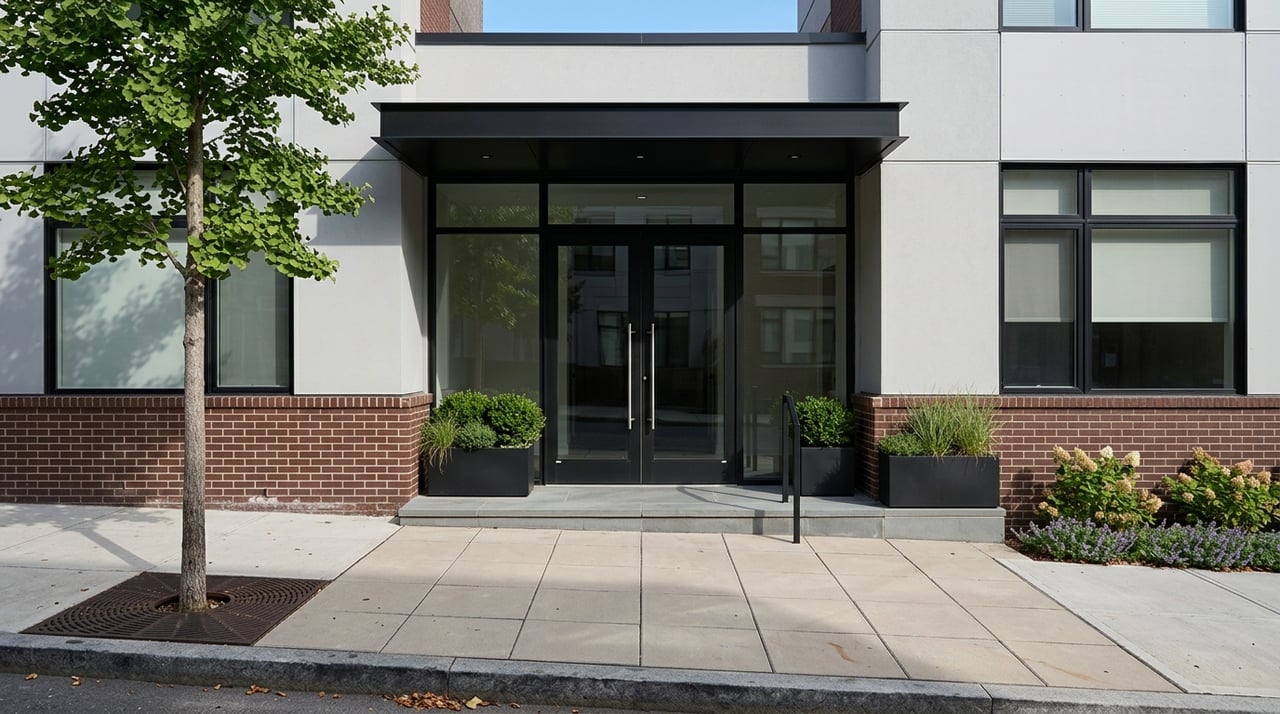
North Bergen’s condo stock is broad. You will find waterfront towers with full amenities and higher price points, but you will also see many mid-rise co-ops, garden-style condos, and older buildings with simpler common areas. Expect more variation building to building in finishes, amenities, and fees. That mix creates entries at different price levels for first-time buyers and upgrade paths for move-up shoppers.
Price context and value
Market trackers often report different medians because they blend solds versus actives, time windows, and all home types versus condo-only. Use ranges and recent building-level solds to frame value, then confirm with your agent using the local MLS.
Town-level owner-occupied median values from the U.S. Census help frame the market. The latest estimates show about $473,500 in North Bergen and about $465,600 in West New York. These are overall housing values, not condo-only, but they give a sense of parity between the towns. You can review these estimates in Census QuickFacts.
Recent local sales reports show a high-end segment in both towns. For example, a West New York waterfront townhome-style unit in Jacobs Ferry has traded around the mid-$800Ks, while a large North Bergen waterfront tower residence has sold above $1 million. Use these as proof points that premium product exists on both sides, and then drill down to your target building for precise comps.
How to use this: think in bands rather than one number. Entry-level one-bedrooms on or near Boulevard East often start below newer waterfront towers with resort amenities. Two-bedroom waterfront units commonly trade in the high $600Ks to over $1 million based on building, exposure, and renovation level. Your exact number will depend on views, year built, amenities, parking, and recent building comps.
Transit and commute
Ferries from Port Imperial
Port Imperial is a major NY Waterway terminal that many buyers choose for speed and predictability. Midtown routes often run dock to dock in about 8 to 12 minutes, plus the short walk or shuttle from your building. For current routes and times, check the NY Waterway schedule.
Light rail and buses
The Hudson-Bergen Light Rail serves Port Imperial and connects south to Hoboken and Jersey City. North Bergen’s HBLR terminus is Tonnelle Avenue, which gives you a fast link into the regional network. Both towns also have frequent NJ Transit and private bus service along Bergenline Avenue and Kennedy Boulevard to Midtown. Actual travel time can swing with traffic, so test your commute door to door. Learn more about the HBLR at NJ Transit’s Tonnelle Avenue station page.
Door-to-door tradeoffs
If your priority is the most consistent, fastest Manhattan commute, West New York’s Port Imperial area tends to deliver with ferry service. It often costs more than the bus but can save valuable time and cut stress. If you prefer to optimize monthly housing cost and you are flexible with timing, North Bergen’s mix of buses and the Tonnelle Avenue light rail can work very well.
Walkability, retail, and parks
Town-level Walk Scores point to strong day-to-day convenience in both locations, with West New York scoring about 94 and North Bergen about 82 on average. These are broad measures and block-level experiences vary widely. Still, they reflect a dense, service-rich corridor that supports car-light living. You can explore the area’s high walkability using Walk Score’s map.
Bergenline Avenue, known as the “Miracle Mile,” is the retail spine that runs through West New York into North Bergen. It supplies a wide mix of shops, restaurants, and services that support both towns. Read more about its role in the region on the Bergenline Avenue overview.
For green space, West New York offers waterfront access along the Hudson River Waterfront Walkway plus small ridge-top parks like Old Glory Park and Donnelly Memorial Park. North Bergen is home to James J. Braddock Park, one of the area’s largest parks, with trails, fields, and a lake. If you want a quick feel for West New York’s parks and waterfront touchpoints, review this local parks guide.
Ownership costs and practicals
HOA fees and what they include
HOA or maintenance fees can vary a lot based on building age, staffing, and amenities. Waterfront towers with pools, doormen, and large common areas usually carry higher dues. Always request the latest budget, reserve study, and board minutes to check reserves, planned capital work, and inclusions such as heat, water, internet, and parking.
Property taxes
Property taxes affect total monthly cost and vary by town and year. Rates are updated annually and include municipal, school, and other levies. Before you buy, review the municipal assessor or county tax board for current effective rates and recent assessments. A helpful starting resource is the statewide assessor directory on Scribd.
Flood risk and insurance
If you are shopping river-level units, confirm the FEMA flood zone and base flood elevation. Lenders usually require flood insurance for AE zones, and premiums can vary by building and elevation. The Boulevard East cliffline sits much higher and typically avoids flood zones. Verify each property with FEMA or parcel viewers like NJParcels, and ask for any elevation certificates.
Parking and garages
Parking is a premium along the waterfront and Boulevard East. Some buildings offer assigned garage spaces or sell them as a separate line item. Others rely on street parking with local permit rules. Always confirm if a space is deeded, assigned, or rented, and whether there are guest parking options and associated costs.
Which town fits you
Choose West New York if you want:
- Fast ferry access and a highly walkable waterfront lifestyle.
- Amenity-forward buildings with concierge, pools, and rooftop spaces.
- Boulevard East skyline views with quick access to small ridge-top parks.
Choose North Bergen if you want:
- Larger green space at James J. Braddock Park and varied neighborhood feels.
- A broader range of building styles and price points.
- Access to the HBLR at Tonnelle Avenue and extensive bus options.
Building-by-building checklist
Use this quick checklist to compare specific condos side by side:
- Address, elevation, and flood zone status. Verify with parcel or FEMA maps such as NJParcels.
- Building type, year built, and amenity list.
- Typical one-bed and two-bed square footage ranges and floor plans.
- Recent 6 to 12 month sold comps in the same building or block.
- HOA or maintenance fees and what they include: heat, water, internet, and parking.
- Parking details: deeded or assigned space, monthly cost, and guest policy.
- Commute times by ferry, light rail, and bus using current NY Waterway schedules and NJ Transit.
- Walkability and nearest daily needs. Check Walk Score and map groceries, pharmacies, and coffee shops.
Next steps
Both towns offer strong value along the New Jersey Gold Coast, and the right fit comes down to your commute, amenity priorities, and budget. If you want help narrowing to the buildings that make sense for you, we can map commute times, pull building-level comps, and review HOA health so you can make a clear choice.
For expert, boutique guidance tailored to how you live and where you commute, connect with Hudson Digs Realty. We will help you compare buildings, schedule the right tours, and move from short list to closing with confidence.
FAQs
What is the main difference between Port Imperial and Boulevard East?
- Port Imperial sits at river level with a ferry hub and waterfront promenades, while Boulevard East sits atop the Palisades with elevated skyline views and reduced flood exposure compared to riverfront parcels.
How do condo amenities compare in West New York vs North Bergen?
- West New York’s waterfront often features large, amenity-rich complexes, while North Bergen offers both full-service towers and many mid-rise or older buildings with simpler amenity packages.
Are flood insurance requirements common for these condos?
- Many river-level parcels are in FEMA AE zones where lenders typically require flood insurance, while most Boulevard East cliffline properties sit above flood zones; always verify the exact address on FEMA or parcel maps.
Which town offers the fastest commute to Midtown Manhattan?
- West New York’s Port Imperial area usually wins on speed with frequent ferries to Midtown, while North Bergen relies more on light rail and buses, which can be time-competitive depending on traffic and your exact start point.
How walkable are these neighborhoods for daily errands?
- West New York posts a town-level Walk Score around 94 and North Bergen around 82, with strong day-to-day access to shops and services along corridors like Bergenline Avenue.
Where will I find larger parks near these condos?
- North Bergen’s James J. Braddock Park offers extensive green space with fields and a lake, while West New York provides smaller ridge-top parks and the Hudson River Waterfront Walkway for waterfront access.