Imagine morning runs with the Manhattan skyline at your side, a quick hop to Midtown or Downtown, and sunsets over the Hudson to close your day. If you’re weighing a move to Hoboken’s waterfront, you want the real story on daily life, costs, and trade-offs. In this guide, you’ll learn how the waterfront feels by season, how commutes actually work, where you’ll spend time, and which home types fit your routine. Let’s dive in.
Hoboken at a glance
Hoboken is known as the Mile Square City for its compact size and walkable streets. The entire eastern edge faces the Hudson River with a continuous esplanade, parks, and piers that locals treat as their backyard. You can walk to Hoboken Terminal for PATH, NJ Transit rail, ferries, and buses, which makes commuting to Manhattan straightforward and fast.
Waterfront parks and recreation
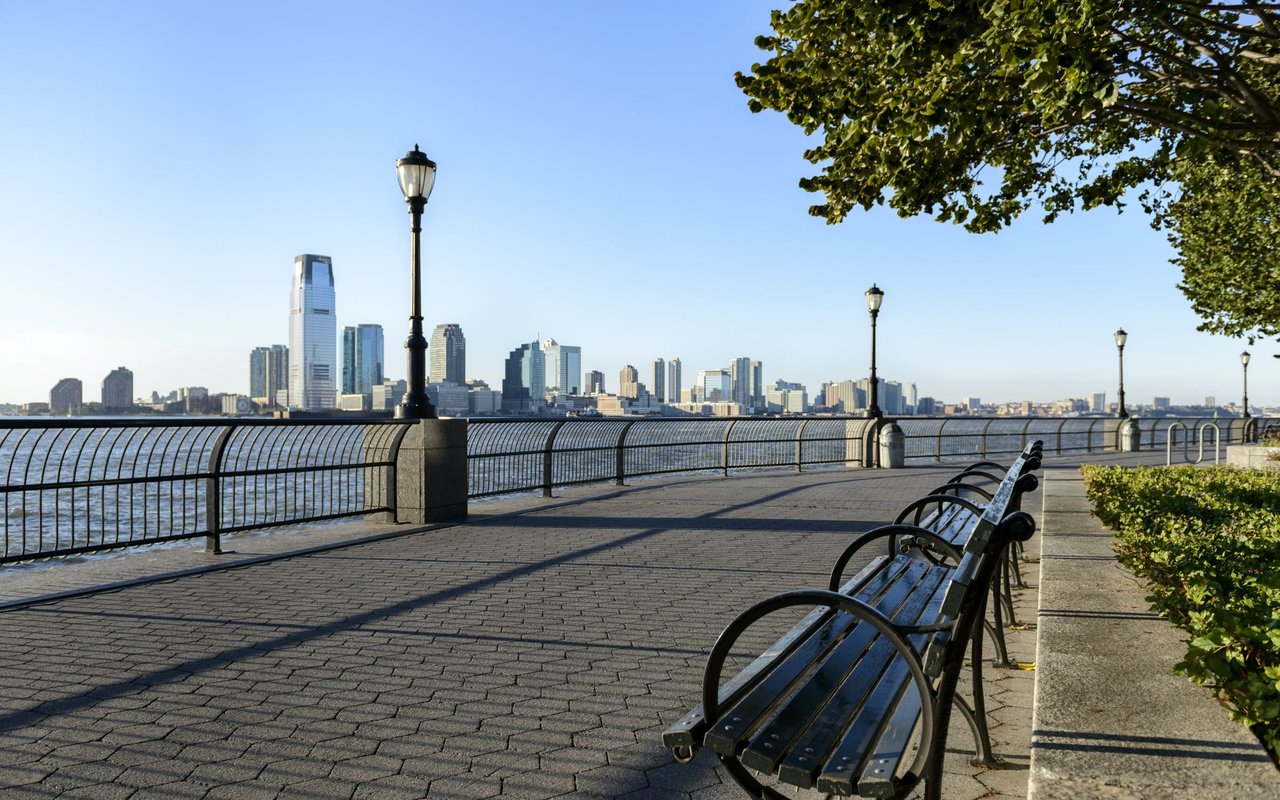
The waterfront is a string of green spaces and piers with open lawns, playgrounds, and skyline viewpoints. You’ll find popular spots such as Pier A Park, Sinatra Park, Maxwell Place, and Hoboken Cove, connected by a pedestrian-friendly walkway. Most days you’ll see joggers, stroller routes, dog walkers, and people taking photos at golden hour.
Seasonal rhythm
From spring through fall, the waterfront gets lively with outdoor fitness classes, concerts, and community events. Summer brings peak activity and more outdoor dining. Winter is quieter, but the esplanade still draws steady foot traffic for fresh air and views.
On-the-water options
Community boating groups often offer free or low-cost kayaking in warmer months. You can watch paddlers and sailboats from the piers or set up a picnic on a grassy knoll. It’s an easy way to enjoy the river without leaving town.
Resilience in action
Hoboken has experienced coastal flooding in the past, and the city continues to invest in green infrastructure and flood-resilience projects. You’ll notice upgraded park designs, plantings, and shoreline improvements in sections along the river.
Washington Street vs. the waterfront
Washington Street is Hoboken’s main commercial corridor, with cafés, restaurants, bars, boutiques, and services packed into a walkable spine. The waterfront, a few blocks east, feels calmer and more scenic, with room to spread out and unwind. Many residents move between the two in a single day: morning coffee on Washington, lunchtime along a pier, and a sunset walk before dinner.
Daily routines you’ll recognize
- Weekday mornings: commuters funnel to the PATH, ferries, and buses at Hoboken Terminal.
- Daytime: remote workers take walking calls on the esplanade; parents hit playgrounds; dogs get plenty of exercise.
- Evenings: rooftop bars, neighborhood pubs, and restaurant patios fill up; the promenade settles into an easy pace.
Homes near the water
You have a mix of living options within a short walk of the river. Each one delivers a different feel and set of trade-offs.
Waterfront condos and towers
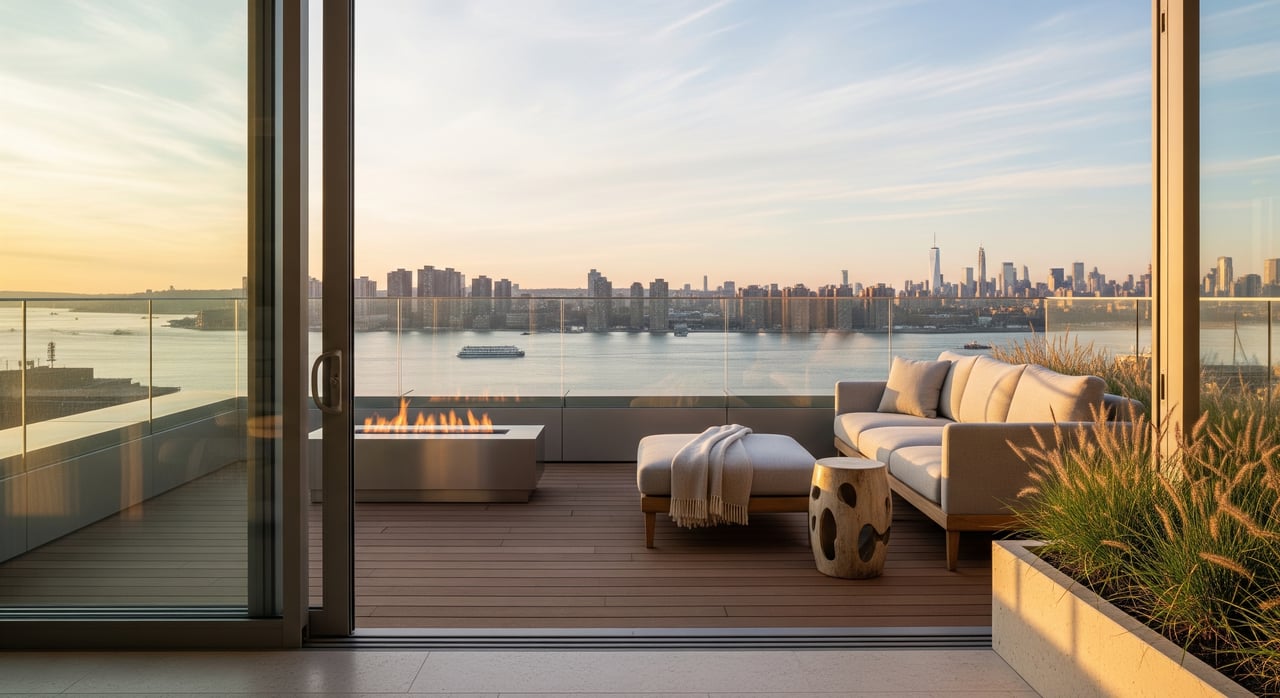
Newer mid- and high-rise buildings line sections of the waterfront. Many offer amenities such as doormen, fitness centers, rooftops, lounges, and garage parking options. You get easy access to parks, river views from shared or private spaces, and quick routes to transit. Consider that waterfront locations can host events and seasonal crowds, and some buildings may carry higher HOA fees for amenities and resilience upgrades.
Brownstones and rowhouses
Just inland from the water and near Washington Street, you’ll find historic brownstones and rowhouses. These homes offer classic character and a neighborhood vibe, often with stairs and fewer on-site amenities. You can still reach the esplanade within minutes, but you’ll trade doorman convenience for architectural charm.
Lofts and smaller buildings
Pockets of loft conversions and smaller apartment buildings round out your choices. These can offer unique layouts, different price points, and distinct character, often in locations that balance access to both Washington Street and the water.
Commute and getting around
Hoboken is built for transit and walking. Many residents commute without a car and handle daily errands on foot.
PATH and ferry examples
Hoboken Terminal connects you to PATH trains heading to Midtown and Downtown stations and to NY Waterway ferry routes. Door-to-door trips to Manhattan are often under 30 to 40 minutes depending on your destination, transfers, and time of day. Ferries provide scenic rides and can be a comfortable alternative during peak hours. Schedules and travel times vary, so plan around your specific office location.
Biking and last-mile options
Hoboken has strong bike access and local bikeshare. Many people bike to transit, ride to Washington Street for errands, or simply use the esplanade for low-stress trips.
Parking and car ownership
Street parking is limited and competitive. Many homes do not include on-site parking, and permits or private garages are common solutions. If you own a car, factor in the cost and availability of monthly garage options. Car-share services help those who only drive occasionally.
Costs and ownership details
Hoboken is a high-demand market relative to many New Jersey towns. Proximity to Manhattan, walkability, and waterfront amenities support premium pricing. If you value transit access and daily-quality-of-life perks like the esplanade, it can be worth the premium.
Taxes, fees, and insurance
- Property taxes: New Jersey property taxes in Hudson County are a meaningful budget item. Review current tax assessments for specific homes.
- HOA/condo fees: Amenities, staffing, and resilience investments can raise monthly dues. Compare services and reserve funds across buildings.
- Flood insurance: Waterfront-adjacent properties may require flood insurance based on FEMA flood zone and building elevation. Check your lender’s requirements and the building’s policies.
Flooding and resilience
Hoboken has taken storm impacts seriously, with phased projects designed to manage coastal and stormwater risk. Flood risk can vary block by block, and building design matters.
What to check
- FEMA flood map designation for the exact address.
- Building elevation, flood-mitigation improvements, and recent resilience work nearby.
- HOA disclosures, reserve studies, and any special assessments tied to infrastructure.
- Historical performance during major storms and any documented upgrades.
Families, pets, and everyday services
The waterfront is popular with families and pet owners thanks to stroller-friendly promenades and green spaces. You’ll find playgrounds in several parks and open lawns for casual play. Pets have plenty of room to walk with easy loop routes along the river.
Hoboken has public and private schools that serve local families. If schools are a priority, review current district boundaries, program offerings, and after-school options as you compare addresses.
Everyday errands are simple. Supermarkets, corner stores, pharmacies, and fitness studios cluster on Washington Street and nearby side streets. Many residents handle weekly shopping and services without a car.
Sound, events, and nightlife
Is it quiet on the waterfront? Often, yes, especially outside event times and later at night. That said, parks and piers host concerts, fitness classes, and seasonal festivals, so activity levels rise during warm months. Washington Street’s nightlife can feel busy on weekend evenings, while the waterfront typically relaxes earlier. Newer buildings may have better sound insulation than older housing stock.
How to choose your stretch
Use this quick process to narrow in on the right spot:
- Map your commute. Time a door-to-door trip to your office during peak hours using PATH or ferry options.
- Walk it at night. Visit on a weekend evening to understand sound levels and foot traffic.
- Compare building types. Decide if you prefer amenities and service or historic character and privacy.
- Check flood factors. Confirm FEMA zone, building elevation, and insurance requirements.
- Budget the full cost. Include taxes, HOA dues, parking, and potential special assessments.
- Test your routine. Run a typical day: coffee, gym, groceries, and a sunset walk to see how it feels.
Work with a local guide
When you’re balancing views, commute, building amenities, and resilience considerations, a local specialist makes the process smoother. You get faster shortlists, context on block-by-block differences, and clarity on trade-offs before you make an offer.
Ready to explore Hoboken’s waterfront with a team that knows every pier and side street? Connect with Hudson Digs Realty for a curated tour of buildings and homes that fit your lifestyle.
FAQs
Is the Hoboken waterfront noisy for residents?
- Noise varies by proximity to parks, event spaces, and nightlife; many newer buildings have solid soundproofing, and the waterfront often quiets down after evening hours.
Do Hoboken waterfront condos require flood insurance?
- It depends on FEMA flood zone and building elevation; your lender and HOA policies will guide requirements, so verify the specific address and disclosures.
What is the typical Hoboken-to-Manhattan commute?
- Door-to-door times are often under 30 to 40 minutes via PATH or ferry, depending on your Manhattan destination, transfers, and time of day.
Is Hoboken’s waterfront family-friendly?
- Yes. Parks, playgrounds, and a pedestrian esplanade make it convenient for strollers and outdoor time; confirm school options and after-school programs near your address.
How tough is parking near the water?
- Street parking is limited; many residents use permits or lease garage spaces. If you own a car, budget for a private garage and check availability.
Condo amenities vs. brownstones: what’s the difference?
- Condos often include doormen, gyms, rooftops, and parking options; brownstones offer classic character and privacy with fewer on-site services and likely stairs.
Are daily errands walkable from the waterfront?
- Yes. Supermarkets, pharmacies, cafés, and services cluster on and around Washington Street, so most errands are manageable on foot.