Are you wondering why two condos on Edgewater’s River Road can be priced so differently? If you are buying, you want to know what is worth paying for. If you are selling, you want to position your home to command a stronger offer. In this guide, you will learn the key factors that move prices in Edgewater’s condo market and how to use them to your advantage. Let’s dive in.
River views and orientation
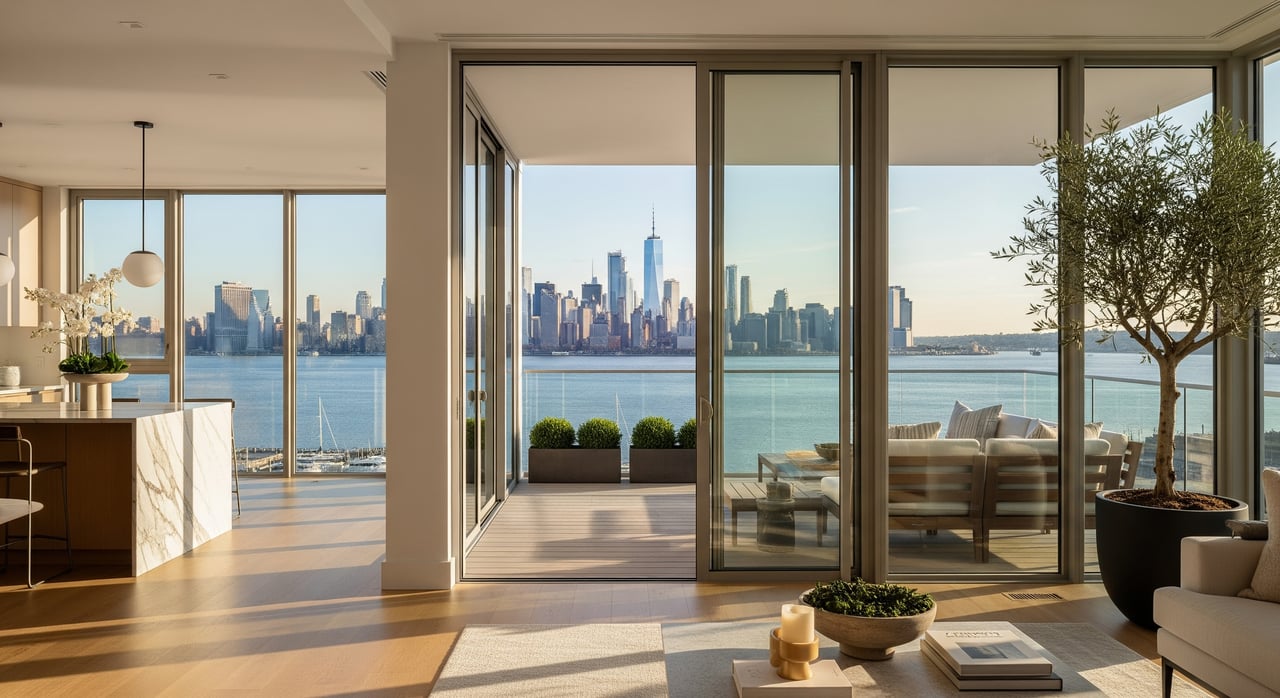
Direct, unobstructed Hudson River views typically bring the highest premium. Partial views or glimpses still help, but less so than full panoramas. Orientation and floor height matter too, since higher floors and south or west exposures often capture better light and sunsets.
If you are selling, highlight view lines, window sizes, and any protections against future obstruction. If you are buying, ask about nearby development plans, setbacks, and sightlines during different seasons. Confirm whether the view could change over time.
Building age and upkeep
Newer buildings tend to trade at higher prices per square foot because of modern systems, elevators, and finishes. Older properties can offer value, but you should review maintenance history closely. Deferred repairs on façades, balconies, or waterproofing can lead to special assessments that raise carrying costs.
Buyers should request recent engineering reports, reserve studies, and information on capital projects. Sellers can ease concerns by documenting improvements, reserve levels, and inspection history. Clear maintenance records support confidence and pricing.
Amenities and services
Amenity tiers vary widely along River Road. Basic buildings may have only a lobby and laundry, while mid-tier options add a fitness center and lounge. High-tier buildings feature services like a 24/7 doorman or concierge, pools, spa-level amenities, and valet parking.
Amenities can increase both the purchase price and monthly HOA fees. The value to you depends on lifestyle and usage. For example, round-the-clock staffing appeals to many out-of-town owners, while on-site fitness and pet amenities often attract younger buyers.
Transit access and commute
Edgewater’s location across from Manhattan is a major demand driver. Quick access to NY Waterway ferry service, NJ Transit buses to Port Authority, and the George Washington Bridge influences both desirability and price. Units within a short walk to a ferry terminal or reliable bus stop often carry a convenience premium.
If you commute, weigh schedule frequency, pass costs, and walk times. Compare peak and off-peak options to your daily routine. Sellers should showcase commute times and nearby transit options clearly in marketing.
HOA fees and reserves
HOA fees typically cover building insurance, common area upkeep, staffing, utilities in common spaces, elevator service, and amenity operations. Some buildings include heat or hot water, which changes a buyer’s monthly budget. Older buildings may require larger reserve contributions to fund future projects.
Higher HOA fees can cap what buyers will pay for a unit. A healthy reserve fund and transparent governance can reduce risk and support stronger pricing. Buyers should ask for recent budgets, reserves, meeting minutes, and insurance declarations to understand fee trends and coverage.
Property taxes matter
New Jersey has one of the higher property tax burdens in the country, so taxes are a major piece of the monthly payment. Assessed value and local tax rates vary by municipality. Many buyers compare Edgewater’s tax bills with nearby towns like Fort Lee or Cliffside Park when gauging total carrying costs.
Sellers should include accurate, current tax information in their listing. Buyers should evaluate taxes alongside HOA fees to see the full picture. Your maximum purchase price often shifts once you factor these costs.
Parking and storage
In Edgewater, parking can be a real differentiator. Deeded indoor garage parking is the most valuable and simplest to finance with a unit. Assigned covered or outdoor spaces carry moderate value, while unassigned or street parking may deter some car commuters.
Storage lockers and bike rooms also matter in urban living. Ask whether parking or storage is deeded, assigned, or wait-list only. Sellers should spotlight transferable parking rights and any included storage.
Flood risk and insurance
Waterfront proximity brings exposure to flood zones. Units at lower elevations or within FEMA-designated zones may require flood insurance, which affects lender requirements and monthly costs. Perceived flood risk can also influence pricing and buyer confidence.
Buyers should confirm the FEMA zone and request an elevation certificate if available. Understand current premiums and coverage before making an offer. Sellers can help by providing insurance details and any mitigation measures.
Unit features and upgrades
Within the same building, floor level, layout, and condition can move the price meaningfully. Open, efficient floor plans and good storage tend to sell faster. Renovated kitchens and baths, higher ceilings, and mechanical updates can justify stronger pricing.
If you are selling, document renovation dates and notable upgrades. If you are buying, compare usable square footage and layout functionality, not just total square feet. Higher floors often carry a premium for views and lower street noise.
How factors combine
Premiums stack. A high-floor condo with panoramic views, deeded garage parking, modern finishes, low HOA fees, and easy ferry access often sits at the top of the local price range. At the other end, a lower-floor unit with no view, no parking, and above-average fees usually trades at a discount.
When you look at comps, match view category, floor height, parking type, and amenity level first. Adjust for what the HOA includes, since utilities like heat or hot water can change true monthly costs. Review association minutes for any upcoming assessments.
Steps for buyers
- Confirm commute details, including ferry or bus options and typical travel times.
- Verify view protections, planned nearby development, and floor height tradeoffs.
- Review HOA budgets, reserve studies, minutes, insurance declarations, and planned projects.
- Check flood zone status, elevation certificates, and current insurance costs.
- Evaluate parking and storage rights, including deeded vs. assigned.
- Compare taxes and HOA fees together to assess total monthly costs.
Prep for sellers
- Gather HOA documents: budgets, reserve studies, and recent minutes to show transparency.
- Itemize what the HOA fee covers and any included utilities.
- Highlight transferable perks like deeded parking, storage, and on-site amenities.
- Document capital improvements, both unit level and building level.
- Market commute benefits and accurate travel times to NYC.
- Price to direct comps that match view, floor, parking, and amenity tier.
Comps and negotiation tips
When negotiating, buyers can use upcoming assessments, fee growth, or deferred maintenance findings to seek concessions. Consider whether you will accept tradeoffs, such as a higher HOA in exchange for superior amenities or a lower price without parking. Sellers can preempt concerns with clear, organized documentation and a pricing strategy grounded in like-kind comps.
If you are unsure how to weight multiple factors, prioritize your non-negotiables. For many River Road buyers, those include commute time, view quality, and parking. Then evaluate the rest by total monthly cost and long-term maintenance risk.
Ready to benchmark your condo against today’s market or zero in on the right Edgewater building for your needs? Reach out for local guidance backed by hands-on listing strategy and buyer representation. Connect with Hudson Digs Realty to Request Your Free Home Valuation or to start a focused condo search.
FAQs
How do Hudson River views affect Edgewater condo pricing?
- Direct, unobstructed views on higher floors usually command the strongest premium, while partial or no views reduce price per square foot compared with like-kind units.
Why do HOA fees vary so much between buildings?
- Fees reflect amenity level, staffing, building age, and reserve funding needs, and they can include certain utilities that change the true monthly cost.
How important is deeded garage parking in Edgewater?
- Deeded indoor parking is highly valued and often increases both desirability and resale potential compared with assigned or unassigned options.
What should I review in condo association documents?
- Ask for recent budgets, reserve studies, meeting minutes, insurance declarations, and lists of planned capital projects or assessments to understand cost and risk.
How do taxes influence the total monthly payment?
- In New Jersey, property taxes are a major component of carrying costs, so you should compare them side by side with HOA fees when setting a target price.
Does flood zone status affect financing and resale?
- Yes. Being in a FEMA flood zone can require flood insurance, influence premiums and lender terms, and shape buyer perception, which can impact pricing.